
What is acne?
Acne is a common, chronic inflammatory condition of little units in our skin that are made up of an oil gland and a hair follicle.
These units are called pilosebaceous units (“pilo” – hair follicle and “sebaceous” – oil gland). These units grow through the two upper layers of our skin, with the top of the unit on our skin being called a pore. Acne is formed when these units are disrupted.
There are 3 things that can happen which lead to acne:

Increased oil (sebum) production

Dead skin cells building up along the lining of the hair follicle (follicular hyperkeratinisation)

Disruption of normal skin bacteria around the unit and inflammation of the unit
Understanding these causes is the first step toward effective, personalised treatment.
Think you might have acne?
What’s really going on with your breakouts?
The type of acne you may have depends on the severity of inflammation to the pilosebaceous unit and the area of the body the acne is found. The clinical variations you see with acne determine the medical terms used to describe the type of acne.
For example, acne conglobata is a severe form of nodular/cystic acne that occurs deep in the skin with pus filled tracts and tunnels connecting the cysts. It is found in adolescents. Acne vulgaris is a mix of erupted pustules, papules, closed and open comedones.
Knowing what is happening to your pilosebaceous unit is important to choose the right treatment approach and achieve the best results.


How severe is your acne?
Mild
Less than 5 eruptions on half the face
Moderate
6 - 20 eruptions on half the face
Severe
21 - 50 eruptions on half the face
Very Severe
Greater than 51 eruptions on half the face
The real reasons your skin acts up

The real reasons your skin acts up
Acne is a common chronic inflammatory disease that can lead to disfigurement and psychological distress. It occurs when the pilosebaceous unit is disrupted. Internal and external factors can be responsible for this disruption. Internal factors include our age, race, hormone level, medical history (e.g. polycystic ovary syndrome) and our genetics.
External factors that can impact acne include pore-clogging skincare products, environmental pollutants, mechanical occlusion (e.g. headbands or face masks), emotional stress, excessive UV exposure, repetitive mechanical trauma (T-shirts or helmets), oral preparations and medications, vitamin D deficiency and a poor diet.
Building an effective anti-acne skincare routine

Quality Skincare Regimen


Targeted Acne Treatments
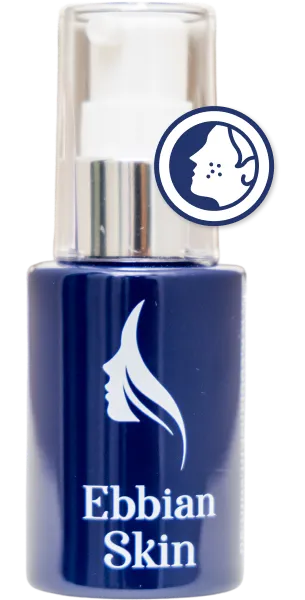
Ebbian Skin’s
Anti-Acne Serum
Formulated with ingredients that have been scientifically proven to target the pathology of the hair/oil gland unit, our Anti-Acne Serum helps reduce excess sebum production, unclog pores, downregulate dead skin cell buildup, and calm inflammation—giving you a smoother, clearer complexion. Designed by Dr. Amanda Irwin, it targets the different factors that cause the acne while preventing future breakouts, so you can feel confident in your skin every day.
Frequently asked questions


When should I see a dermatologist for acne?
Consider seeing a dermatologist if your acne is severe, persistent, causing scarring or not improving with scripted and over-the-counter topical treatments.
How long does it take for acne treatment to work?
Results can vary, but most treatments tend to start producing improvements within 4 to 6 weeks. Consistency is the key, and some cases may take longer depending on severity and the chosen treatment.
Is it safe to use acne products if I have sensitive skin?
Yes. Many acne products can be used on sensitive skin, but it’s important to have a skincare regime that suits your skin type and introduce active ingredients gradually.
Will my acne go away on its own?
Whether acne clears up naturally depends on its type and cause, be it internal causes or external factors. Adolescent acne will eventually resolve without treatment, but scarring may occur if the acne is significant and not treated. Some patients transition from adolescent into hormonal adult acne without a break in flares.
What are comedones?
Comedones are clogged hair follicles (pores) in the skin, caused by a buildup of oil, dead skin cells, and debris. They appear as blackheads (open comedones) or whiteheads (closed comedones) and are common in acne-prone skin.
What are pilosebaceous unit?
The pilosebaceous unit is a skin structure made up of a hair follicle, sebaceous gland, and arrector pili muscle. It regulates oil production and hair growth, and plays a key role in acne development and overall skin health.