

Pigmentation of the skin naturally varies depending on your ethnicity, sun exposure and any underlying skin conditions. The brown pigment of the skin is produced by skin cells called melanocytes that produce melanin, giving the skin its brown colour. When melanin levels become uneven (from sun exposure, hormonal shifts, inflammation or genetic factors), it can lead to visible changes in skin tone. These changes may appear as dark patches, light spots or uneven colouring, particularly on the face and neck.
Learn more to support effective treatment and restore a more even, radiant complexion.
Let’s talk spots, patches & pigment

Hyperpigmentation
Some areas of skin can become darker due to trauma to the melanocytes, which triggers excess melanin production. This common response is known as melasma, or hypermelanosis, hyperpigmentation or post-inflammatory hyperpigmentation (PIH).

Hypopigmentation
This condition occurs when the skin is sparse in melanocytes and therefore melanin production is reduced, resulting in lighter patches on the skin. It is often called vitiligo, albinism, and post-inflammatory hypopigmentation.

Other Pigmentation Disorders
Some pigmentation concerns don’t fall neatly into the categories of hyper- or hypopigmentation, instead presenting with hues such as red, yellow-orange or even blue, depending on the medical condition.
What’s triggering your pigmentation

What’s triggering your pigmentation
Pigmentation is often triggered by sun exposure, post-inflammatory changes, hormones or certain medications. It can also be influenced by underlying medical conditions and your genetic makeup. Recognising the specific triggers behind your pigmentation can help guide the most effective treatment path.
Caring for skin prone to pigmentation

Daily Sun Protection


Cleanse & Moisturise Daily

Targeted Serums or Treatments
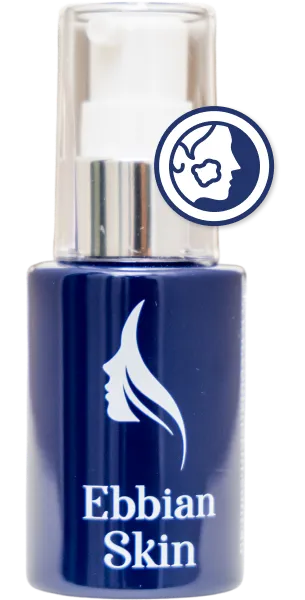
Ebbian Skin’s
Hyperpigmentation Serum
Formulated by Dr Amanda Irwin, our powerful Hyperpigmentation Serum helps reduce the appearance of dark spots, melasma and uneven tone by delivering concentrated actives deep into the skin. It’s a precision-based approach to achieving a clearer, more radiant complexion, backed by medical expertise.
Frequently asked questions


When should I see a doctor for pigmentation?
If your pigmentation is widespread, persistent, rapidly changing or affecting your confidence, it’s a good idea to seek professional advice. A medical doctor can help identify the cause and recommend tailored treatment options.
How long does it take for dark spots to fade?
Fading can take several weeks to a few months, depending on the cause and your treatment routine. Consistency is key for visible improvement.
Can pigmentation return after treatment?
Yes, pigmentation can return, particularly with ongoing sun exposure or hormonal triggers. Consider long-term management strategies like sunscreen, topical actives and lifestyle adjustments – wearing a broad-brim hat and avoiding direct sunlight.
Is laser treatment better than skincare for pigmentation?
Laser can be effective for certain types of pigmentation but isn’t always the first or safest option. Medical-grade skincare is often the preferred starting point for long-term, gentle results, especially for sensitive skin types.
Are your products safe for sensitive skin with pigmentation?
Yes. Dr Amanda Irwin’s formulations are developed with sensitivity in mind and tailored to support your individual skin goals. As with any active skincare, use as directed and consult a healthcare professional if you have concerns about underlying skin conditions or allergies.